Press Release, GSC News
Global renewables industry's response to COP31 outcomes
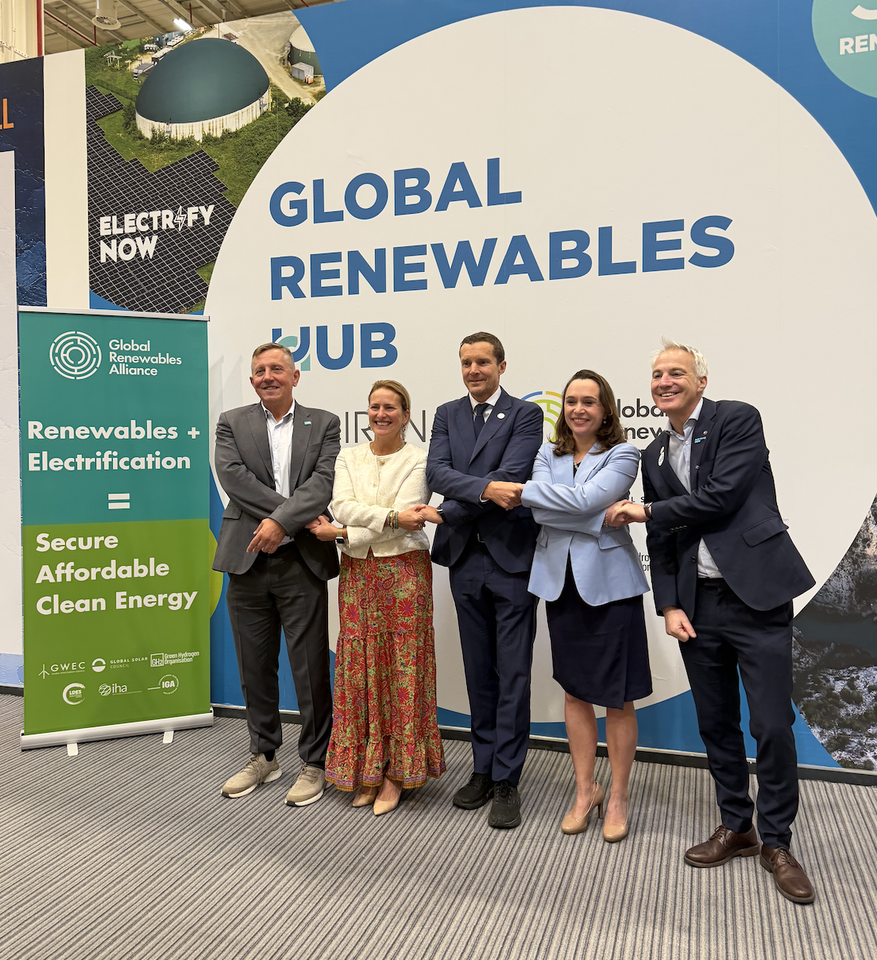
Global Renewables Alliance Responds to the Final COP31 Outcome.
Sonia Dunlop, CEO of Global Solar Council:
“It is disappointing not to see a political consensus reached this COP on electrification and renewable energy. However, this year’s energy crisis made the case better than any negotiating text. When fuel prices spiked, countries across Asia and Africa imported solar in record volumes, because a panel is bought once and then makes homegrown power for decades. And when new demand is met with solar, growth no longer has to mean higher emissions.
Solar is doing the heavy lifting - meeting three-quarters of the growth in global electricity demand last year and is the fastest-growing source of power in history. When combined with storage, solar is even more powerful, supporting electrification at scale by providing households and businesses with cheap, stable, round-the-clock power. But challenges still remain: Grids can’t connect projects fast enough, capital costs far more in the countries that need solar most, and trade barriers push up costs. From here, the test is delivery: national grid and storage plans with dates and funding, and finance that makes solar affordable wherever it’s built. The renewable energy industry is now getting on with the job to push further and faster.”
Ben Backwell, Chair of the Global Renewables Alliance and CEO of the Global Wind Energy Council:
”COP31 has once again highlighted the need for accelerated action, regardless of a final collapse in multilateral talks that resulted in no consensus-based cover decision. The proposed draft downplayed the transition away from fossil fuels and left a lack of clarity on finance, and was ultimately rejected by a broad group of Parties including the EU, Panama, Marshall Islands and others.
“Despite this missed opportunity for progress within the COP process, the renewable energy transition is now unstoppable, delivering unprecedented volumes of renewable electricity across the globe. We are committed to scale, to meet rising demand, to develop and construct new projects, to invest in supply chains, and to bring the benefits of clean, affordable and homegrown energy to communities everywhere.
“As the IEA’s 2026 World Energy Outlook highlights, renewables’ share of electricity generation is set to grow from 33% today to around 50% or more by 2035. We could go even further, if government and industry work together to invest in grids, mobilise finance and tackle barriers in permitting and supply chain development.
“Governments must now implement national action plans and clear a path for renewables, grids and storage projects to proceed at pace. Decisive action today will ensure the private sector has the confidence to invest and deliver a secure, affordable, clean and electrified energy system for everyone, for decades to come.”
Bruce Douglas, CEO of the Global Renewables Alliance:
“The absence of a cover decision is a missed opportunity, but progress cannot be held hostage by consensus or futile attempts to delay the inevitable transition.
“The world is switching on to clean electrification. More than 75 countries indicated support for the 35% by 2035 global target and 150 countries – representing two-thirds of global GDP – and 260 businesses are already taking action. Stakeholders now understand the profound benefits of highly efficient electrification powered by renewables. Every electric vehicle on the road and heat pump installed delivers permanent structural decline in fossil fuel demand.
“Achieving the 35-by-35 goal would avoid $400 billion in fossil fuel imports per year, reduce household bills by 15%, cut emissions by at least 8 gigatonnes, and would prevent as much as 0.27°C of warming if powered by clean electricity. Every hundredth of a degree represents lives and livelihoods.
“Complementary initiatives in the Action Agenda Delivery Package, and a growing pool of more than a dozen countries developing national electrification strategies are just the beginning.
“Clean electrification will continue to be at the top of the agenda at COP32, but we cannot wait until then to make progress. The majority of progressive governments must now build on this momentum with credible national electrification plans and policies that unlock investment and accelerate delivery.”
Note to editors:
COP31 negotiations ended in overtime with consensus not reached across much of the negotiating agenda and concerns raised around how the process unfolded.
Momentum for clean electrification was driven outside of the negotiations, particularly through the COP’s ‘action agenda’ comprising new diplomatic initiatives, commitments from businesses and global pledges. More than 150 countries and 260 businesses are already acting on renewable-powered electrification.
The renewable energy industry will keep delivering projects at record scale, investing in supply chains, and working with governments to turn Antalya’s pledges into projects.